
Rise & Shine
Bangkok Traffic
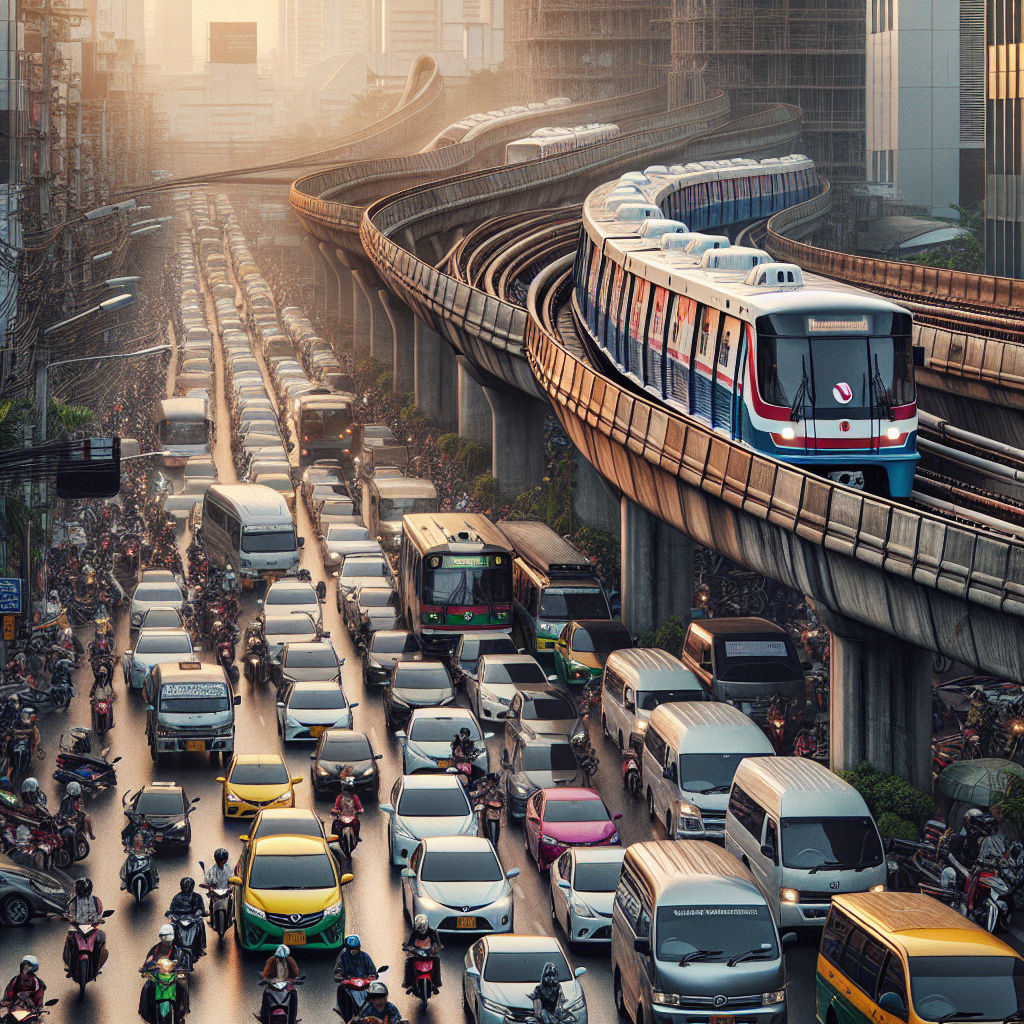
Bangkok traffic is notorious. It's a daily reality for residents and a frequent point of complaint for tourists. The city's rapid development, coupled with a high population density and a limited road network, contributes significantly to the congestion.
Rush hour, typically from early morning to late evening, sees gridlock in many areas. Major thoroughfares like Sukhumvit Road, Silom Road, and Rama IV Road become parking lots. The sheer volume of cars, motorcycles, buses, and taxis vying for space creates a frustrating and time-consuming commute.
Several factors exacerbate the issue. The increasing number of private vehicles on the road, driven by affordability and a desire for personal comfort, adds to the congestion. Public transportation, while improving, still struggles to meet the demands of the population. The elevated BTS Skytrain and underground MRT offer some relief, but are often overcrowded during peak times.
Furthermore, inadequate traffic management and enforcement of traffic laws contribute to the problem. Illegal parking, lane weaving, and disregard for traffic signals are common occurrences, disrupting the flow of vehicles. Construction projects and road closures, though necessary for infrastructure improvements, frequently worsen the traffic situation.
The impact of Bangkok's traffic extends beyond mere inconvenience. It takes a toll on productivity, increases stress levels, and contributes to air pollution. The economic costs, including lost work hours and increased fuel consumption, are substantial.
Despite the challenges, efforts are underway to alleviate the congestion. The government is investing in expanding the public transportation network, including new BTS and MRT lines. They are also implementing measures to improve traffic management, such as intelligent traffic signal systems and stricter enforcement of traffic regulations. However, overcoming Bangkok's traffic woes remains a complex and ongoing task.
Attachment (1)
+1
More

Recent messages from